Source Golf Swing Trainer for Adults for Practice, Racing, and Gifts
Compare 30 golf swing trainer for adults options from verified suppliers. These aids support indoor and outdoor practice, racing, and gifting with customizable features, varying MOQs, and diverse materials like plastic or rubber with cotton for flexible swing tempo training.
Key considerations
Products List




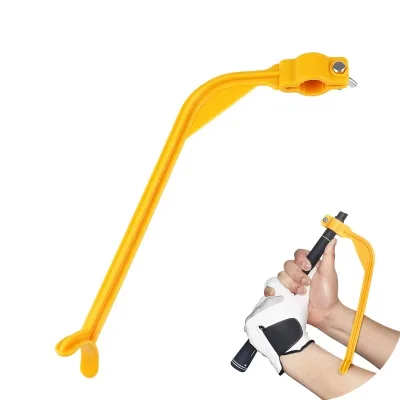
Comprehensive Sourcing Guide
Golf Swing Trainer for Adults Sourcing Guide
Sourcing golf swing trainers for adults requires a clear understanding of the diverse product landscape available from manufacturers, particularly those based in regions like Fujian, China. The market offers a variety of aids designed to improve tempo, grip, and overall swing mechanics, ranging from simple rubber and cotton devices to more complex aluminum putting rails. Buyers must navigate between products labeled as "Customized" and those marked as "Non-Customized," as this distinction significantly impacts lead times, minimum order quantities, and branding opportunities. Understanding these baseline differences is the first step in aligning procurement strategies with specific business models, whether for retail distribution, corporate gifting, or specialized training facilities.
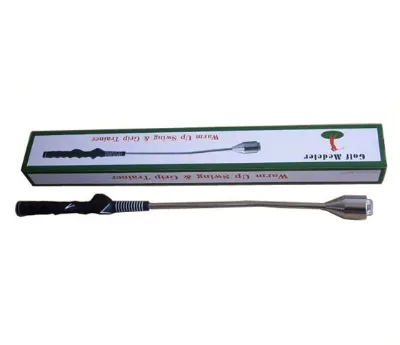
The observed product range includes items such as the Golf Tempo & Grip Trainer and the Golf Putting Rail, each serving distinct functional purposes for adult players. While some aids focus on flexible swing tempo training, others provide structural guidance for putting accuracy. It is crucial to evaluate the intended usage, which often spans indoor and outdoor practice environments, as well as potential applications in racing or entertainment contexts. By categorizing products based on their primary utility and material composition, buyers can create a more targeted sourcing plan that addresses the specific needs of their target demographic without overcomplicating the initial supplier engagement process.
Product Scope and Observed Listing Signals
The current market signals indicate a wide variance in product specifications, with observed prices ranging from $0.40 to $19.85 USD and minimum order quantities (MOQs) spanning from 10 to 1,000 pieces. This broad spectrum suggests that suppliers cater to both small-scale trial orders and large-volume commercial distributions. Key product models such as LK005, ICGA22049, and SLT0328 represent different design approaches, with dimensions varying significantly from compact 2 x 12.5 x 14.5-inch units to larger 125 x 37 x 16 cm structures. Buyers should interpret these signals as indicators of the flexibility available in the supply chain, allowing for tailored procurement strategies based on inventory capacity and market demand forecasts.
Material composition is a critical differentiator among the listed products, with options including plastic, rubber with cotton, stainless steel, and aluminum. For instance, the Golf Tempo & Grip Trainer utilizes rubber with cotton for a flexible feel, while the Golf Putting Rail may incorporate aluminum for durability and structural integrity. These material choices directly influence the product's weight, with some items weighing as little as 2.2 lbs or 8 ounces, while others are significantly heavier. Understanding these material distinctions helps buyers assess the perceived value and durability of the trainers, ensuring that the selected products align with the quality expectations of adult golfers who require reliable equipment for consistent practice.
Technical Specifications to Verify
When evaluating technical specifications, buyers must prioritize the verification of physical dimensions and weight to ensure compatibility with adult users. Products like the Golf Putting Rail are specified at 17 x 17 x 5 cm, while other aids may measure 39 x 4.5 cm, indicating a need for precise spatial planning in packaging and retail display. The head material, whether stainless steel or plastic, also plays a vital role in the trainer's performance and longevity. Buyers should request detailed technical datasheets that confirm these dimensions and material properties, as discrepancies can lead to customer dissatisfaction or functional failures during use. Verifying these specifics ensures that the product meets the ergonomic and performance standards expected by adult golfers.
Packaging and branding options are equally important technical considerations that affect both logistics and market positioning. Suppliers offer various packing solutions, including PE bags, master cartons, individual poly bags, and colorful boxes, with some accepting custom packaging designs. The availability of custom logos and customized packaging allows buyers to enhance brand visibility and product differentiation. However, these customizations often come with specific MOQs, such as 100 or 500 pieces, and may impact lead times. Buyers should clearly define their packaging requirements early in the sourcing process to avoid misunderstandings and ensure that the final product presentation aligns with their brand identity and logistical capabilities.
Compliance and Safety Documentation
Compliance and safety documentation are essential for ensuring that golf swing trainers meet international market standards, particularly regarding material safety and product durability. While specific certification statuses are not universally listed, buyers should verify that materials such as plastic, rubber, and aluminum comply with relevant chemical and physical safety regulations. This is especially important for products intended for indoor use or for younger adult demographics who may be sensitive to certain materials. Requesting material safety data sheets (MSDS) and compliance certificates from suppliers helps mitigate risks associated with harmful substances or structural failures, ensuring that the products are safe for consumer use and suitable for resale in regulated markets.
Additionally, buyers must ensure that all products adhere to general product safety directives applicable in their target regions. This includes verifying that the manufacturing processes in China, particularly in Fujian, follow recognized quality management practices. Although specific standards like ISO are not explicitly mentioned for every item, buyers should inquire about the supplier's adherence to international quality standards and their ability to provide test reports for durability and performance. Establishing a clear compliance framework early in the sourcing relationship helps prevent potential legal issues and enhances consumer trust, which is critical for maintaining a positive brand reputation in the competitive golf equipment market.
Cost Drivers and Commercial Terms
Cost drivers for golf swing trainers are influenced by material selection, customization levels, and order volume. Products made from premium materials like aluminum or stainless steel typically command higher prices compared to those made from plastic or rubber. Customization, including logo printing and unique packaging, adds to the overall cost but can enhance brand value and justify a higher retail price. Buyers should analyze the price range of $0.40 to $19.85 USD in the context of these variables, recognizing that lower prices may correspond to simpler designs or higher MOQs, while higher prices may reflect specialized features or smaller batch sizes. Understanding these cost dynamics allows for more accurate budgeting and pricing strategies.
Commercial terms, including lead times and payment conditions, also play a significant role in the total cost of ownership. Lead times can vary, with some suppliers offering a 25-day turnaround, which impacts inventory planning and cash flow. Buyers should negotiate clear terms regarding production schedules, shipping responsibilities, and payment milestones to minimize financial risks. Additionally, the availability of flexible MOQs, ranging from 10 to 1,000 pieces, provides opportunities for smaller buyers to enter the market with lower initial investment. By carefully evaluating these commercial terms, buyers can optimize their procurement strategy to balance cost efficiency with supply chain reliability and market responsiveness.
Supplier Qualification and Quality Control
Supplier qualification is a critical step in ensuring the reliability and consistency of golf swing trainer supplies. Buyers should conduct thorough due diligence on potential suppliers, verifying their manufacturing capabilities, production capacity, and quality control processes. Given that many suppliers are located in Fujian, China, buyers may consider on-site audits or third-party inspections to assess factory conditions and operational efficiency. Evaluating the supplier's history of producing similar products, such as the Golf Tempo & Grip Trainer or Golf Putting Rail, can provide insights into their expertise and reliability. A qualified supplier should demonstrate a commitment to quality and consistency, ensuring that each batch meets the specified standards.
Quality control measures should be integrated into the procurement process to minimize defects and ensure product performance. Buyers should establish clear quality acceptance criteria, including visual inspections, functional tests, and material verification. Implementing pre-shipment inspections can help identify and rectify issues before products leave the factory, reducing the risk of returns and customer complaints. Additionally, maintaining open communication with suppliers regarding quality expectations and feedback can foster a collaborative relationship that prioritizes continuous improvement. By prioritizing supplier qualification and robust quality control, buyers can secure a steady supply of high-quality golf swing trainers that meet the needs of their customers.
Long-Term Procurement Checks
Long-term procurement checks involve continuous monitoring of supplier performance and market trends to ensure sustained value and reliability. Buyers should regularly review supplier metrics, such as on-time delivery rates, defect rates, and responsiveness to issues, to identify areas for improvement. Establishing key performance indicators (KPIs) and conducting periodic supplier evaluations can help maintain high standards and drive accountability. Additionally, staying informed about emerging trends in golf training equipment, such as new materials or innovative designs, allows buyers to adapt their sourcing strategies and remain competitive. Proactive management of supplier relationships ensures that the supply chain remains resilient and aligned with business objectives.
Furthermore, buyers should periodically reassess their product portfolio to ensure it remains relevant and competitive in the market. This may involve evaluating the performance of existing products, such as the Golf Putting Rail or various tempo trainers, and identifying opportunities for product enhancements or diversification. Engaging with customers to gather feedback on product usability and effectiveness can provide valuable insights for future sourcing decisions. By maintaining a dynamic and responsive procurement strategy, buyers can effectively manage risks, capitalize on new opportunities, and ensure long-term success in the golf equipment industry. Continuous improvement and adaptation are key to sustaining a competitive edge in this evolving market.
FAQs
Can golf swing trainers be customized with logos?
Yes, customization is available for many golf training aids. Buyers can accept custom logos on products like the Golf Tempo Trainer. This allows brands to add their identity to items such as the SLT0328 model. Custom packaging is also often accepted to meet specific branding requirements for retail or promotional use.
What is the typical MOQ for golf swing trainers?
The minimum order quantity varies by product model. For instance, the Golf Tempo Trainer has an MOQ of 100 pieces. Other items may require 500 pieces or more. Buyers should check specific product pages for exact MOQ values, which generally range from 10 to 1000 units depending on the supplier and item complexity.
What materials are used in golf swing trainers?
Manufacturers use various materials including plastic, rubber with cotton, aluminum, and stainless steel. The Golf Putting Rail may feature plastic heads, while other aids use rubber components. These materials ensure durability and flexibility for indoor and outdoor practice, catering to different training needs and swing tempo requirements for adult golfers.
How long is the lead time for orders?
Lead times depend on the specific product and order volume. Some golf training aids have a lead time of approximately 25 days. Buyers should confirm production schedules with suppliers directly. Factors like customization, packaging requirements, and current factory capacity can influence the final delivery timeline for bulk orders of golf swing trainers.
Where are golf swing trainers typically manufactured?
Many golf training aids are manufactured in China, with specific origins like Fujian province noted for certain models. Suppliers in these regions offer various products ranging from putting rails to tempo trainers. Buyers can source these items directly from factories in these locations, ensuring access to a wide variety of golf equipment and training tools.
What specifications should I check for golf trainers?
Key specifications include dimensions, weight, and model numbers. For example, some trainers measure 2 x 12.5 x 14.5 inches and weigh 2.2 lbs. Others may have specific model codes like ICGA22049. Checking these details ensures the product fits your training space and meets the required weight and size standards for effective swing practice.